What Happens After a Cyber Attack, and How to Recover Your Systems ASAP
A cyber attack can severely disrupt a business, but acting quickly to contain the threat, identify the cause and restore systems is key to minimising damage and downtime.
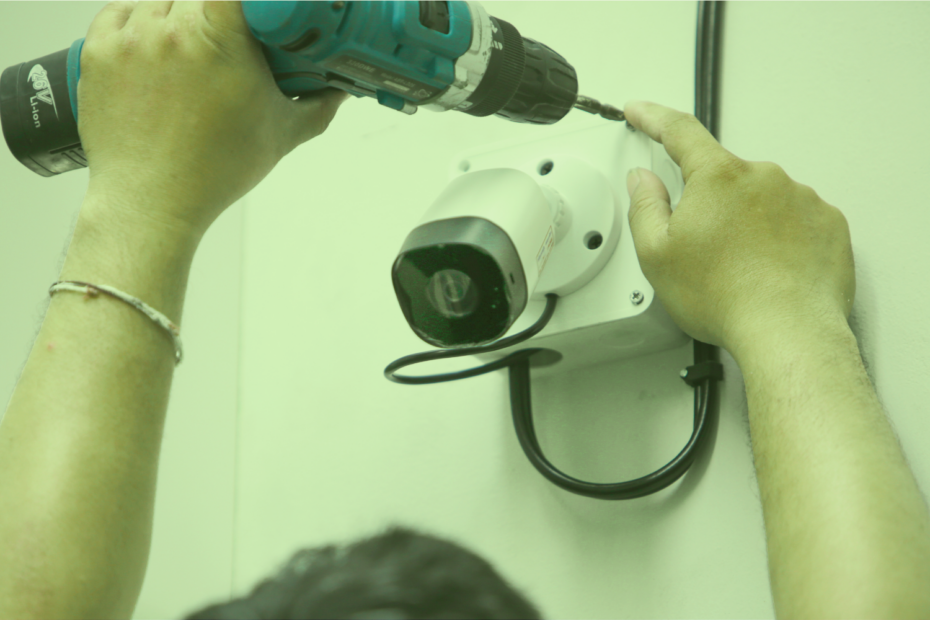
CCTV is no longer just about security, it plays a key role in protecting staff and customers, improving efficiency, supporting health and safety and providing valuable insights into daily operations.
When implemented correctly, it becomes a powerful business tool that enhances decision making, increases accountability and helps create a safer, more productive working environment.
Cybersecurity is everyone’s responsibility, and simple habits such as using strong passwords, enabling multi factor authentication and being cautious with emails can significantly reduce the risk of cyber attacks. By following basic security practices and reporting suspicious activity quickly, employees can help protect their organisation’s systems, data and operations.
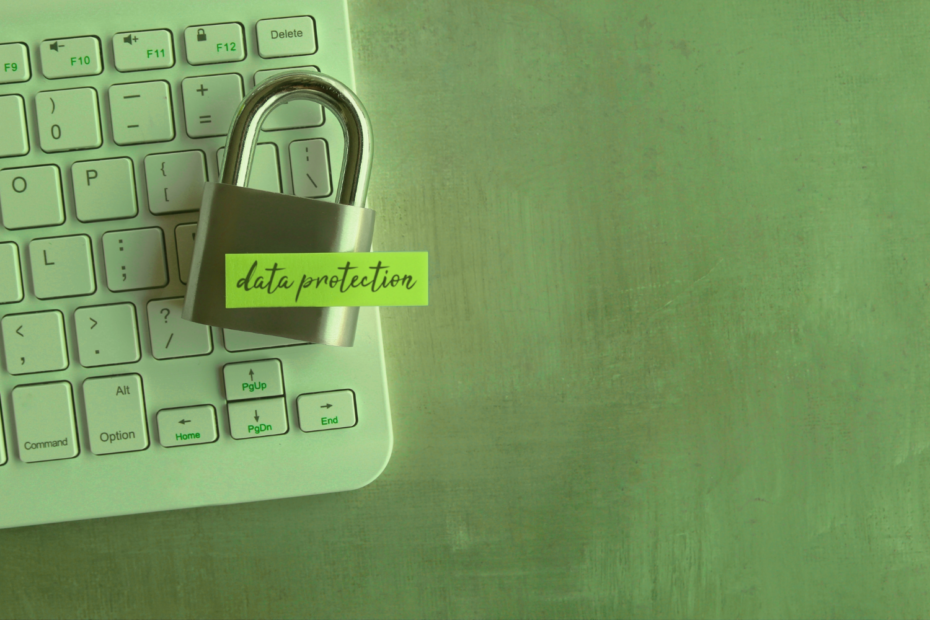
Making Tax Digital requires UK businesses to keep and submit tax records digitally, increasing the need for secure systems that also comply with GDPR’s strict data protection rules. With the right hardware, software and processes in place businesses can meet both MTD and GDPR requirements confidently and efficiently.
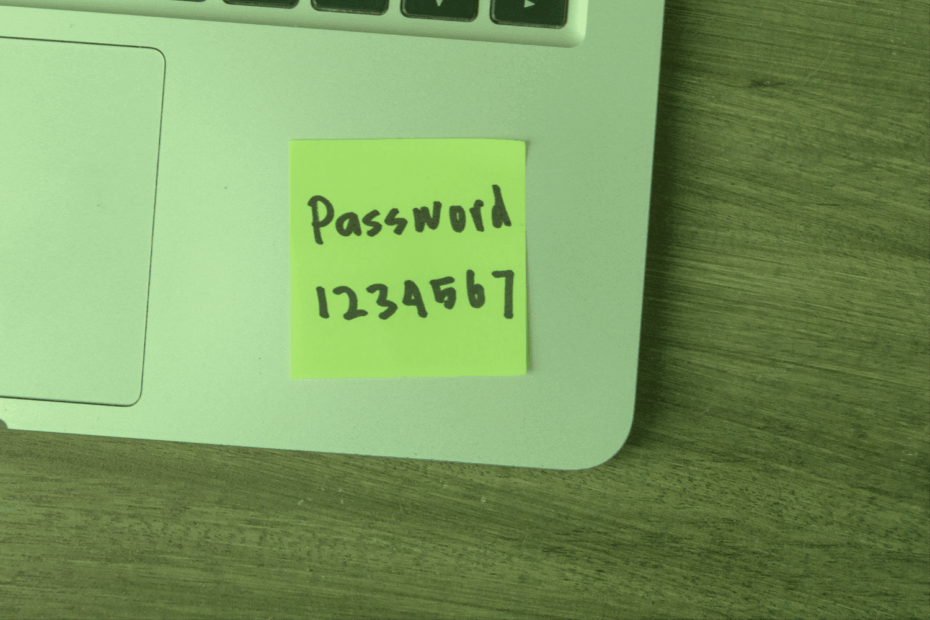
Weak passwords like “admin” and “123456” remain extremely common and are one of the easiest ways for cyber attackers to gain access to business systems. Using longer, unique passwords along with tools like password managers and multi-factor authentication can significantly reduce the risk of data breaches and financial loss.
We explore ten of the most significant IT disasters, from lost spacecraft to fatal software bugs, showing how simple errors like poor testing and rushed updates can lead to huge consequences. It highlights common lessons and explains how proactive IT can help businesses avoid becoming the next tech horror story.
IT myths often lead businesses to make poor decisions that waste time, money and put security at risk. This blog post highlights some of the most common IT myths and explains the truth behind them.
Modern technology is influenced by hidden physical forces and clever engineering compromises, from cosmic rays flipping memory bits to data slowly decaying over time. These strange but real behaviours show that even advanced IT systems are fragile, which is why strong protection, monitoring and backups are essential for businesses.
Phishing emails are one of the biggest cyber risks to businesses, but these simple checks can help prevent costly mistakes. We help businesses protect their email systems and educate staff, reducing the risk of malicious links and attachments causing damage.
Ageing hardware can quietly drain productivity through slow performance, reliability issues and growing security risks, making it harder for teams to work efficiently and securely. Upgrading to modern hardware improves speed, reliability, security and supports flexible working, helping businesses start the year in a stronger position.